Advanced Wound Healing, Scar Management & Modern Wound Care Guide | Clinical Insights & Treatment Strategies
Explore a complete guide to modern wound care including wound healing stages, scar formation, trauma wound management, infection prevention, skin picking recovery, granulation tissue care, surgical scar improvement, and multidisciplinary clinical approaches in advanced wound treatment.
Modern Wound Care Guide: Healing, Scars, Clinical Roles, and Advanced Treatment Insights
Wound care today is no longer limited to simple dressings. Modern medicine integrates biology, surgical technique, regenerative science, and multidisciplinary healthcare roles to optimize healing outcomes.
This comprehensive guide explores wound healing from multiple real-world perspectives — patient concerns, clinical practice, trauma recovery, scar biology, and professional pathways in wound management.
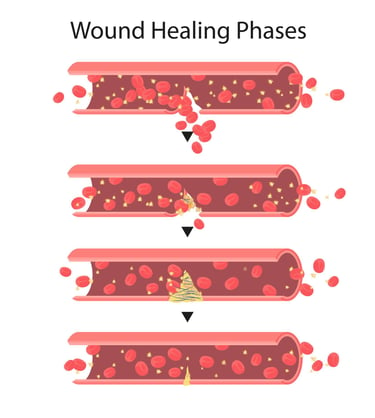
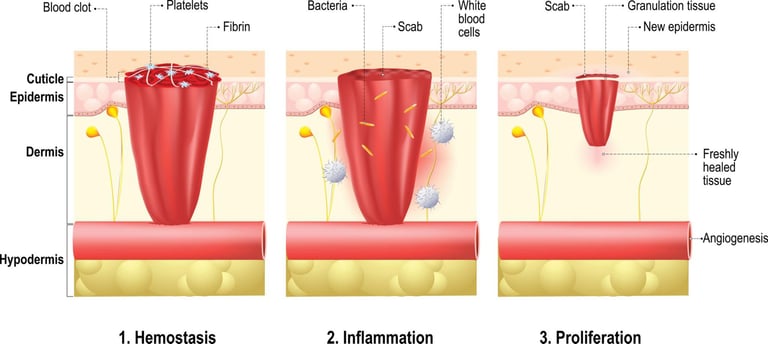


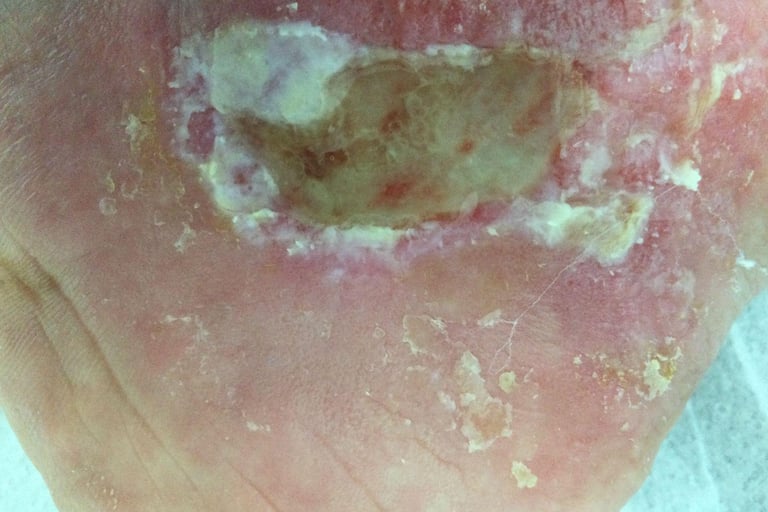
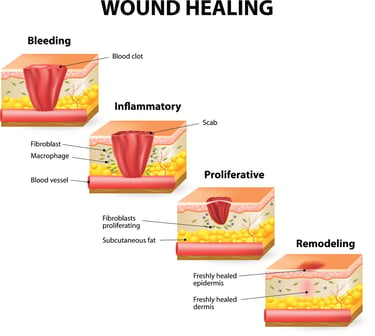
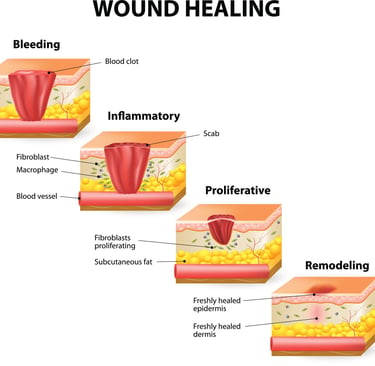
All wounds — whether surgical, traumatic, or self-inflicted — heal through predictable biological stages:
Hemostasis (Minutes–Hours)
Platelet activation stops bleeding
Fibrin clot forms protective scaffold
Growth factors initiate repair cascade
Inflammatory Phase (Days 1–5)
Neutrophils remove bacteria and debris
Macrophages regulate regeneration
Controlled inflammation is essential for healing
Proliferative Phase (Days 5–21)
Fibroblast migration
Angiogenesis creates new capillaries
Granulation tissue fills wound defects
Remodeling Phase (Weeks–Months)
Collagen III → Collagen I conversion
Scar strength reaches ~70–80% of normal skin
Tissue reorganizes along tension lines
👉 For a detailed clinical explanation, see:
https://www.atpmedikal.com/wound-healing-stages
2. Why Scars Form and How They Mature
Scar formation is a biomechanical adaptation, not a complication.
Key Factors Affecting Scar Outcome
Wound tension
Oxygenation
Infection control
Surgical closure technique
Patient genetics
Stages of Scar Healing
Inflammatory redness
Proliferative thickening
Collagen remodeling
Scar softening & fading
Not all scars behave the same:
Hypertrophic scars stay within borders
Keloids grow beyond original injury
Atrophic scars result from collagen loss
Learn advanced scar optimization techniques here:
https://www.atpmedikal.com/scar-management-after-surgery
3. Trauma Wounds: Can All Injuries Heal?
A common patient question is:
“Can every trauma wound heal completely?”
The answer depends on:
Tissue perfusion
Infection burden
Systemic diseases (diabetes, vascular disease)
Mechanical stability
Types of Trauma Wounds
Punctate Wounds
Small surface opening
Deep bacterial risk
Often underestimated clinically
Avulsion Wounds
Tissue torn away
Require reconstructive strategy
Often need NPWT or grafting
Bruises (Contusions)
Blood accumulates under skin
Color changes reflect hemoglobin breakdown
Trauma wound management principles are explained here:
https://www.atpmedikal.com/traumatic-wound-care
4. Healing Challenges: Skin Picking, Stab Injuries & Re-Piercing
Healing Wounds from Skin Picking
Repeated trauma delays epithelialization. Management includes:
Occlusive dressings
Behavioral modification
Silicone therapy after closure
Healing Process for Stab Wound Scars
Deep tissue injury heals slower than skin surface
Muscle and fascia regeneration determine final appearance
Early NPWT reduces dead space and infection
Re-Piercing Through Scar Tissue
Possible but requires:
Fully matured scar (>6–12 months)
Adequate vascularity
Professional sterile technique
5. Preventing Infection & Optimizing Wound Cleaning
Best evidence-based wound cleaning principles:
✅ Use isotonic saline or clean running water
✅ Avoid aggressive antiseptics in healthy tissue
✅ Maintain moist wound environment
✅ Debride non-viable tissue when necessary
✅ Protect peri-wound skin barrier
Advanced wound cleaning protocols and dressing strategies:
https://www.atpmedikal.com/advanced-wound-cleaning-methods
6. Clinical Perspectives: Nurses, NPs, PAs & Surgical Assistants
Modern wound care is team-based medicine.
Wound Care Nurse & NP (Nurse Practitioner)
Chronic wound assessment
Dressing selection
Patient education
Long-term follow-up
Physician Assistants in Radiology
Provide imaging interpretation support crucial for:
Osteomyelitis detection
Vascular assessment
Surgical planning
PA vs Surgical Assistant
RoleFocusPAMedical management + diagnosticsSurgical AssistantOperative technical support
Fellowship Options in Pain Medicine
Important for chronic wound patients suffering from:
Neuropathic pain
Ischemic pain
Post-amputation syndrome
7. Granulation Tissue and Advanced Healing Strategies
Healthy granulation tissue appears:
Bright red
Moist
Bleeds easily
Poor granulation suggests:
Infection
Ischemia
Excess pressure
Modern solutions include:
Negative Pressure Wound Therapy (NPWT)
Bioactive dressings
Growth factor stimulation
Offloading techniques
8. Medspa Treatments and Scar Optimization
Medical aesthetic interventions increasingly complement surgical wound care:
Fractional laser resurfacing
Microneedling with PRP
Medical-grade silicone therapy
Energy-based collagen remodeling
These treatments improve:
Texture
Pigmentation
Scar elasticity
9. The Future of Wound Healing
Wound management is rapidly evolving toward:
Regenerative medicine
AI-supported wound assessment
Smart dressings
Personalized healing protocols
Healing is no longer passive — it is actively engineered.
1. Understanding the Wound Healing Process
Adres: Now Bomonti, Cumhuriyet Mah, Silahşör Cd. No:75 Sitesi Kat:2, 34000
Şişli/İstanbul
Tel: +90532 638 29 40
0212 825 23 23
info@atpsaglik.com
© 2021. All rights reserved.